How are negative ions generated?
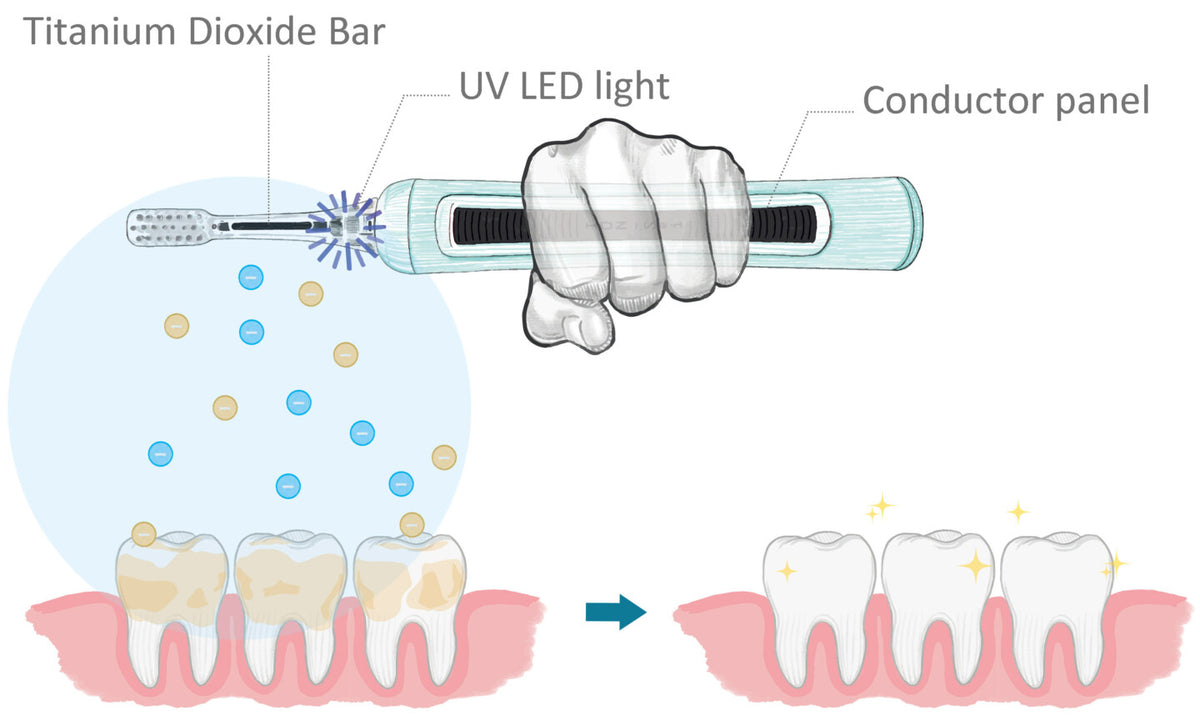
When the ION-Sei ion-technology toothbrush is active, it generates negative ions from two areas: 1. The conductor panel on the handle where it is held, and 2. A titanium dioxide rod located inside the neck area, where it touches the UV LED light. These negative ions are very unstable due to their unpaired electrons.
Negative Ion Generation 1: Body Circuit Flow
The ION-Sei has a small battery built into the handle of the toothbrush. The battery connects to a titanium dioxide rod that runs through the entire toothbrush and is exposed at the neck. When the titanium dioxide rod is moistened before brushing, and when your fingers come into contact with the conductive panel, the moisture creates a closed body circuit that flows from the toothbrush to the mouth. As you brush, a weak current is generated, and negative ions flow into your mouth through this body circulation.
Negative Ion Generation 2: Photocatalytic Reaction
Photocatalysis is a natural chemical reaction that occurs when a light source interacts with the surface of a titanium dioxide rod. This reaction is recreated when the ION-Sei toothbrush is activated and UV LED light reaches the titanium dioxide rod in the neck of the toothbrush. The reaction produces negative ions, which are then transferred to your mouth via fluid carriers such as water and saliva. These negative ions are very unstable molecules that seek out and cling to S.mutans bacteria, the main source of bacteria.
Your Mouth: a Breeding Ground for Disease
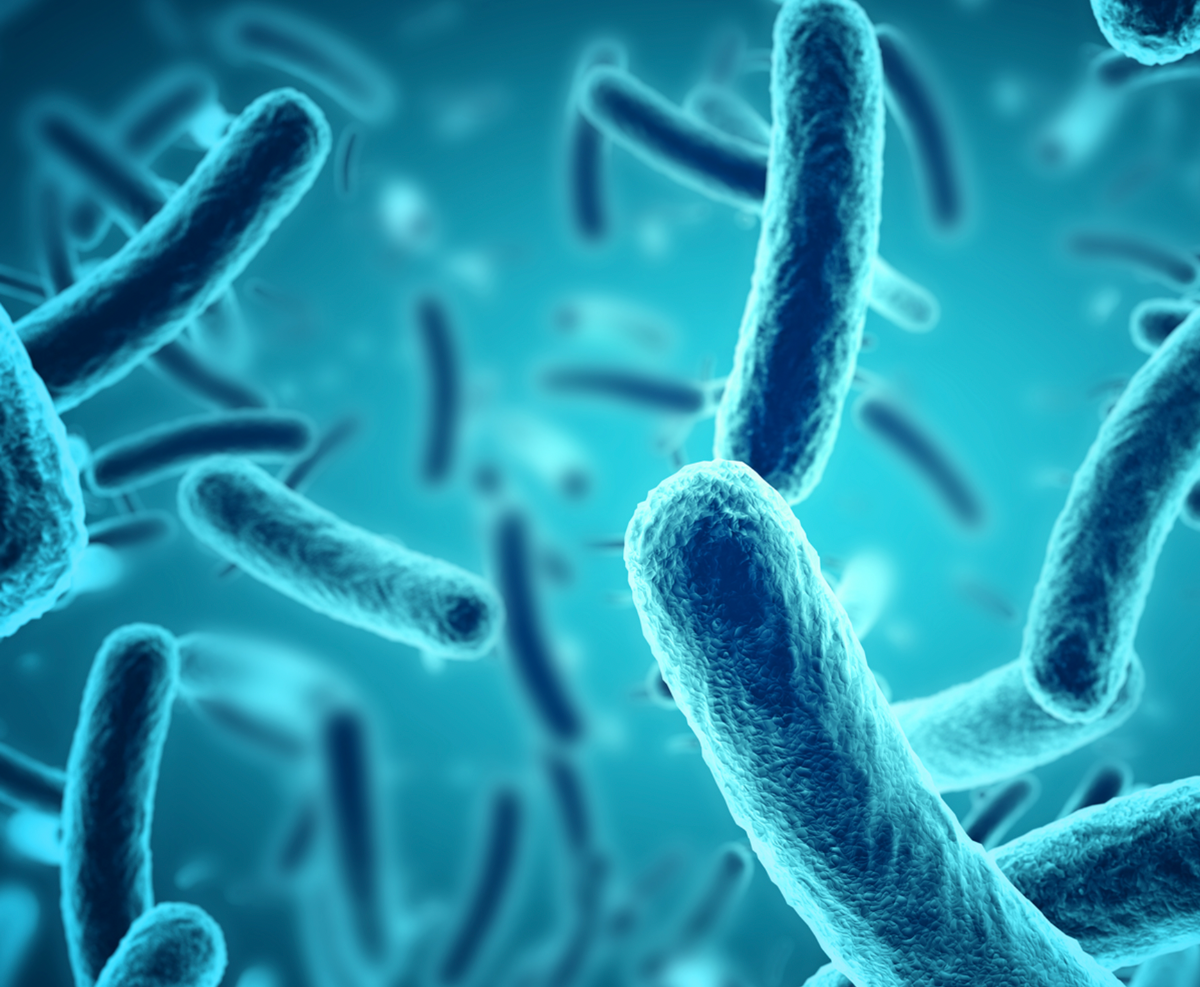
There are more bacteria in your mouth than you can imagine. The harmful Streptococcus mutans feeds on sugar to erode tooth enamel.
Porphyromonas gingivalis preys on the gums, causing painful gum recession and tooth loss.
Studies* have shown that those who do not brush regularly are at a greater risk of developing other health-related problems, including cardiovascular disease, diabetes, and pregnancy complications.
* Source: Oral Health Foundation